The Postgraduate Program offers a range of advantages designed to develop academic and professional capacity at a deeper level. With a research-based curriculum and practical applications, supported by lecturers holding doctoral and professorial degrees in their fields, the program encourages students to think critically, analytically, and solution-oriented. Adequate supporting facilities, extensive academic and industry networks, as well as flexible class schedules, provide added value that allows students to balance their studies with work or other activities. The Postgraduate Program is the right choice for those seeking to enhance their competencies and advance their careers significantly.
Prospek Karir
Graduates of postgraduate programs have broader and more strategic career prospects in both the public and private sectors. With a higher academic qualification, they have the opportunity to hold managerial, leadership, and strategic positions in companies, government institutions, international organizations, and educational institutions. Moreover, a postgraduate degree also opens up career opportunities as researchers, expert consultants, lecturers, and entrepreneurs in more specialized fields. The competencies gained from postgraduate education serve as a valuable asset in navigating the increasingly competitive and dynamic job market.
To become a Postgraduate Management Program characterized by superior aerospace and able to compete at the Asian level by 2030 and at the international level by 2035.
To develop high-quality graduate programs in management that are relevant to the managerial needs of national and international government, business, and aerospace industries.
To enhance research and development capabilities in the fields of aerospace management and business.
Developing competencies and social empathy to support corporate social responsibility for the welfare of society.
Building partnerships with stakeholders to achieve sustainable development goals (SDGs).
Producing managerial-level professionals in the field of aerospace management and business who are able to compete at the national and international levels.
Meeting the need for professionalism in managerial skills, both theoretically and practically, in the field of aerospace management and business.
Producing research outcomes in the field of management that can serve as a reference for both national and international communities.
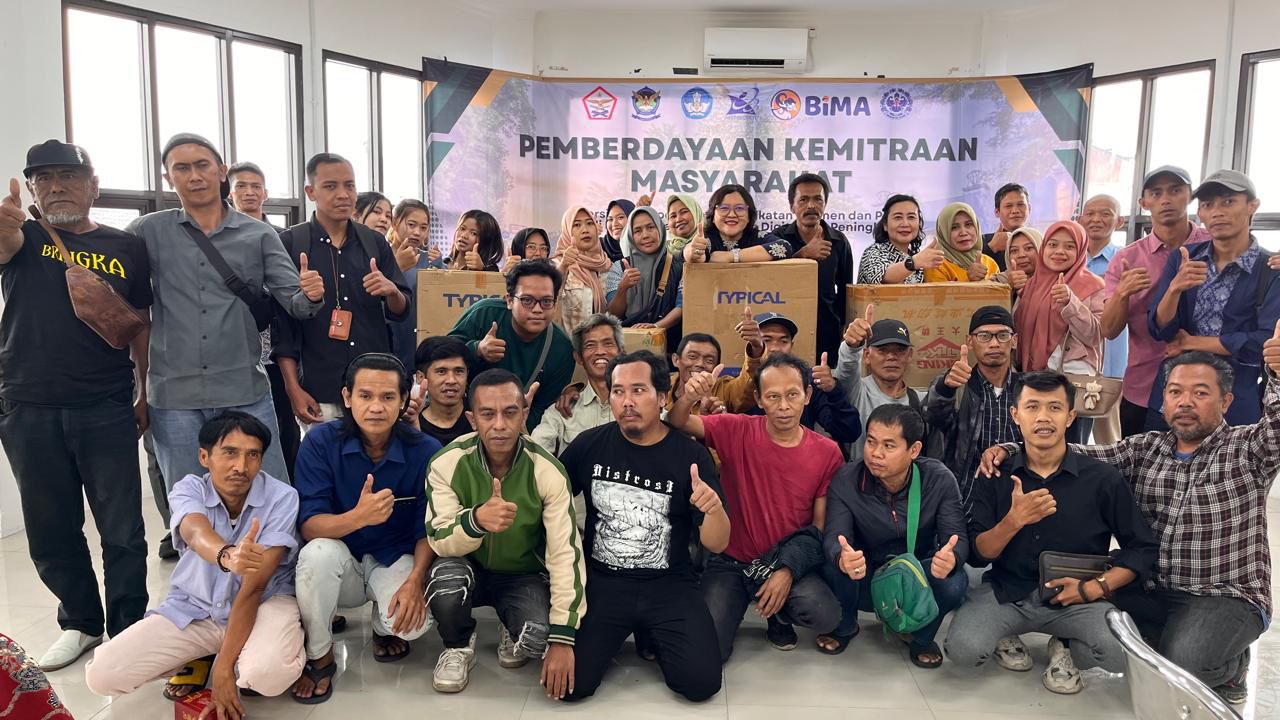
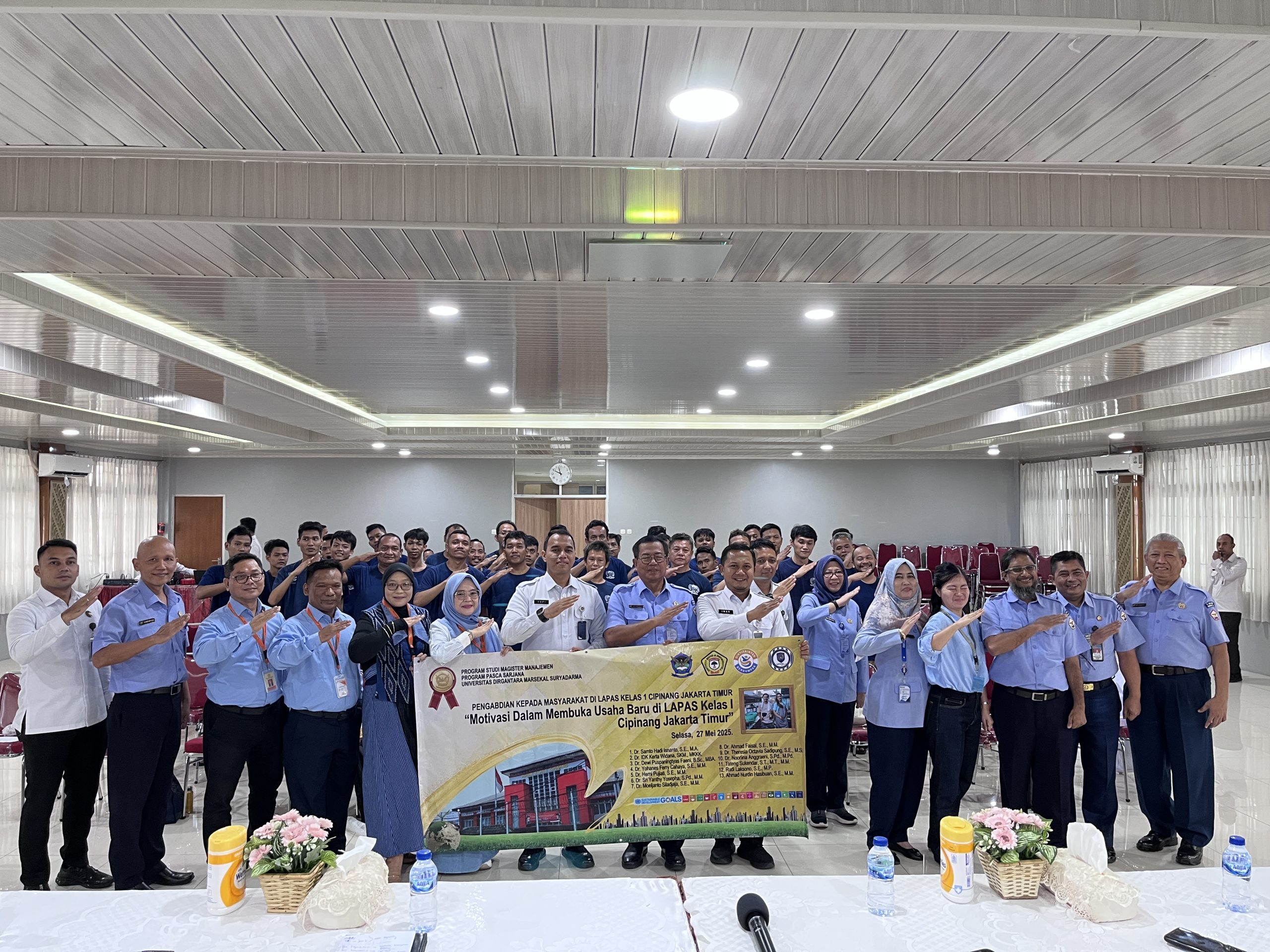
Assisting the community in developing managerial skills, particularly in the practice of aerospace management and business.
Enhancing collaboration networks with educational institutions and stakeholders in the field of Aerospace Management through the utilization of 4.0 technology.
Education Strategy
a. Develop an OBE (Outcome-Based Education) curriculum with the integration of digital technology and aerospace issues.
b. Improve the quality of lecturers through training, professional certification, and further studies.
c. Encourage the implementation of project-based learning, global case studies, and international collaboration.
Research Strategy
a. Establishing a center of excellence in aerospace within the disciplines of digital economics, innovation management, and sustainable accounting.
b. Increasing the quantity and quality of internationally reputable scientific publications.
c. Encouraging faculty-student research collaboration and cooperation with industry partners and foreign institutions.
Community Service Strategy
a. Conducting community service programs based on research outcomes and local–regional needs.
b. Developing model villages, partner SMEs, and social business incubators.
c. Utilizing digital platforms to reach a broader audience sustainably.
Aviation Strengthening Strategy
a. Integrating aviation values into the curriculum, student activities, and research.
b. Promoting aerospace themes in competitions, community service, and student research.c. Collaborating with national aviation and aerospace institutions.
Internationalization Strategy
a. Promote international accreditation of study programs and guest lecturers from abroad.
b. Establish strategic partnerships with industry players and national research institutions, especially in the Asia Pacific region.
Direktur
First Air Marshall (Ret) Dr. Samto Hadi Isnanto, S.E., M.A.