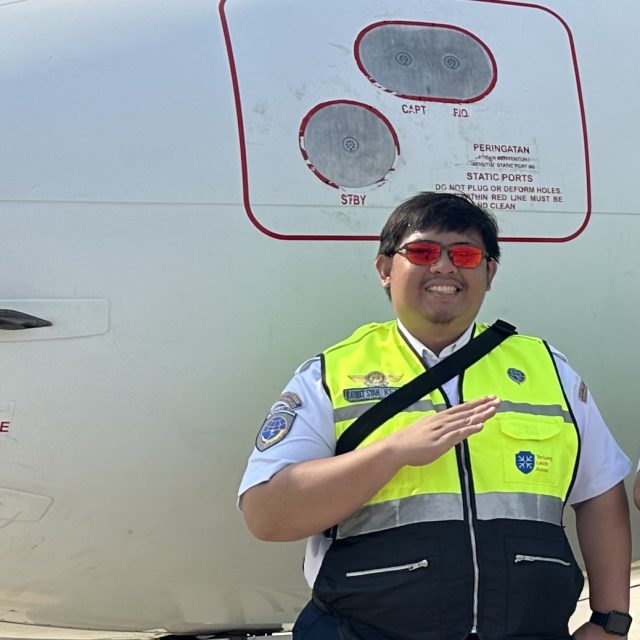
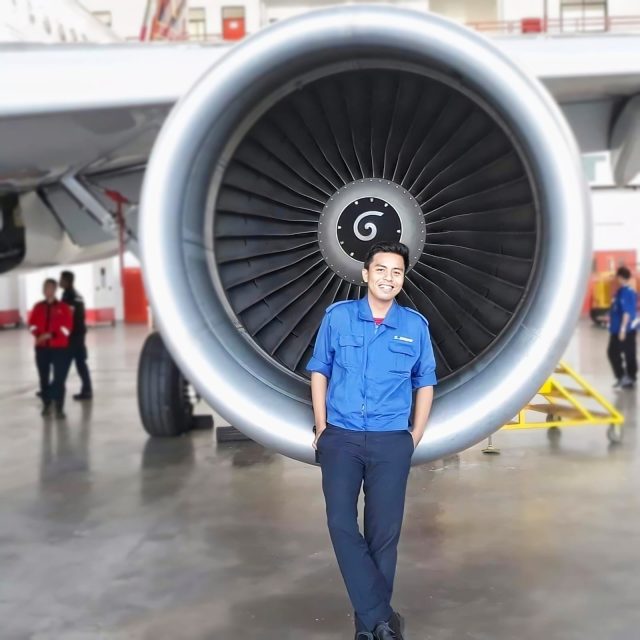
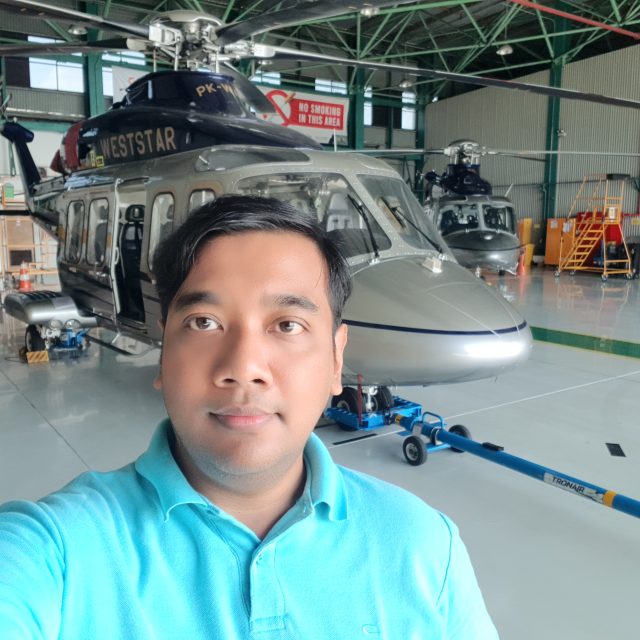
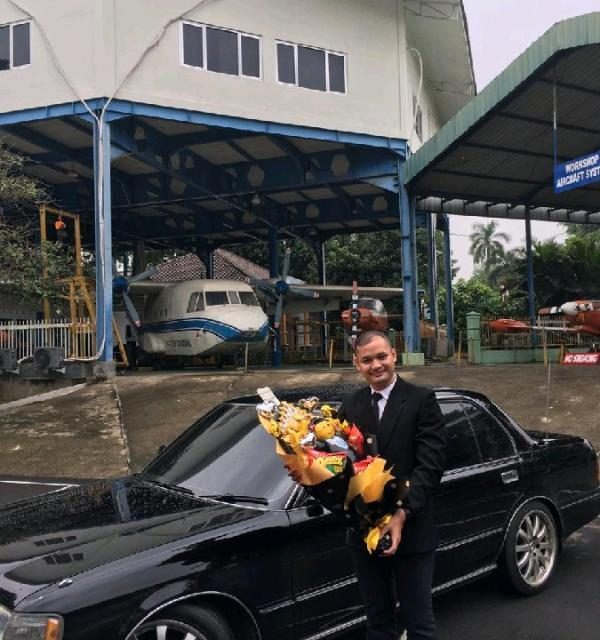
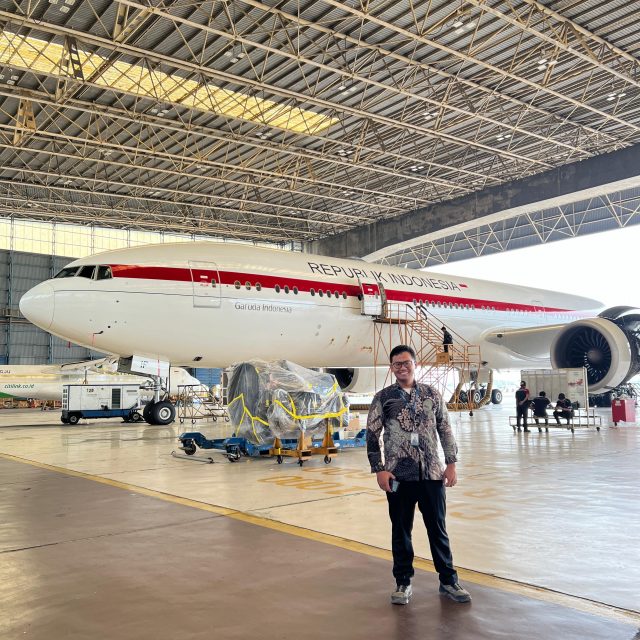
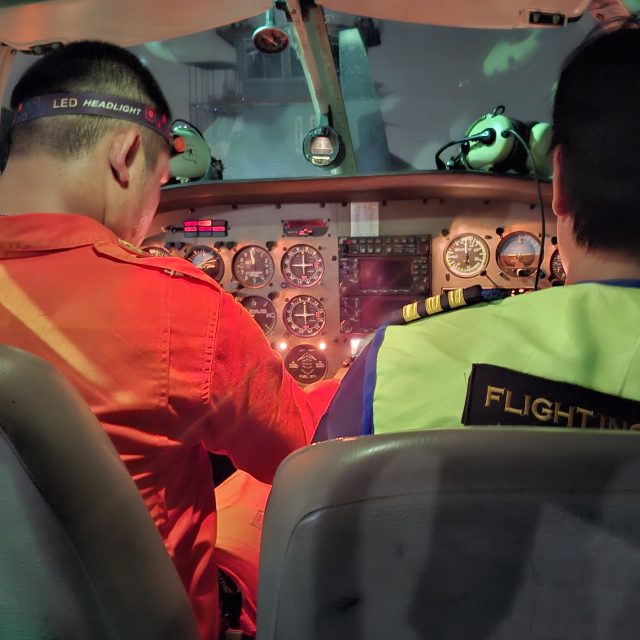
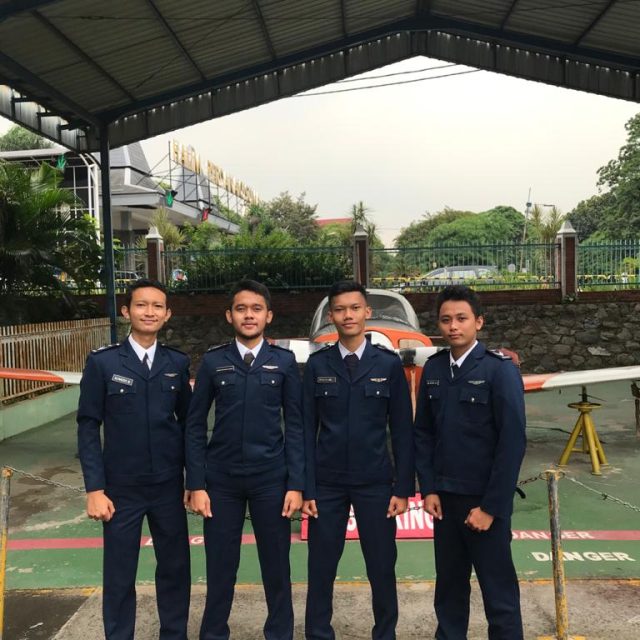
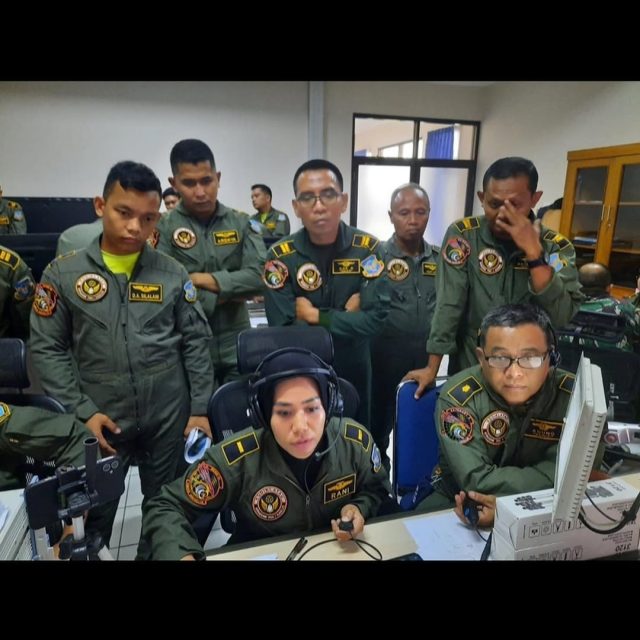
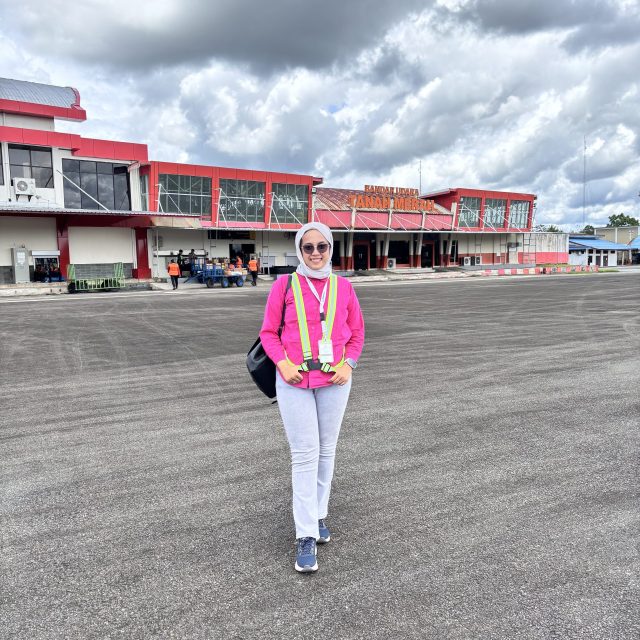
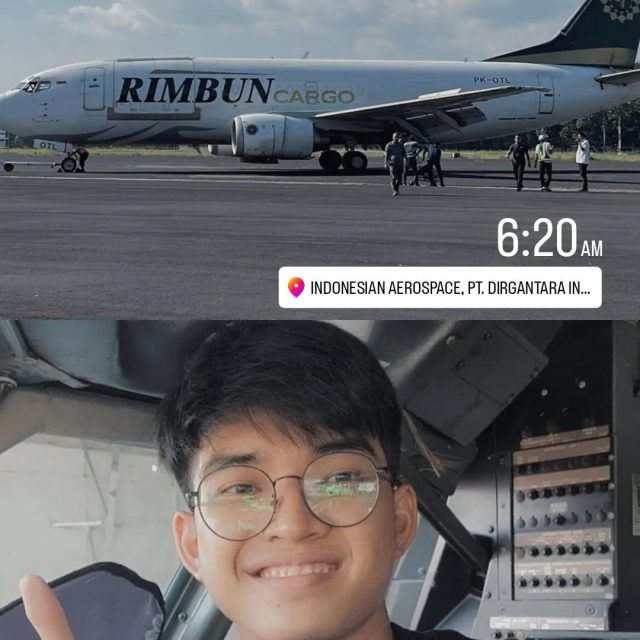
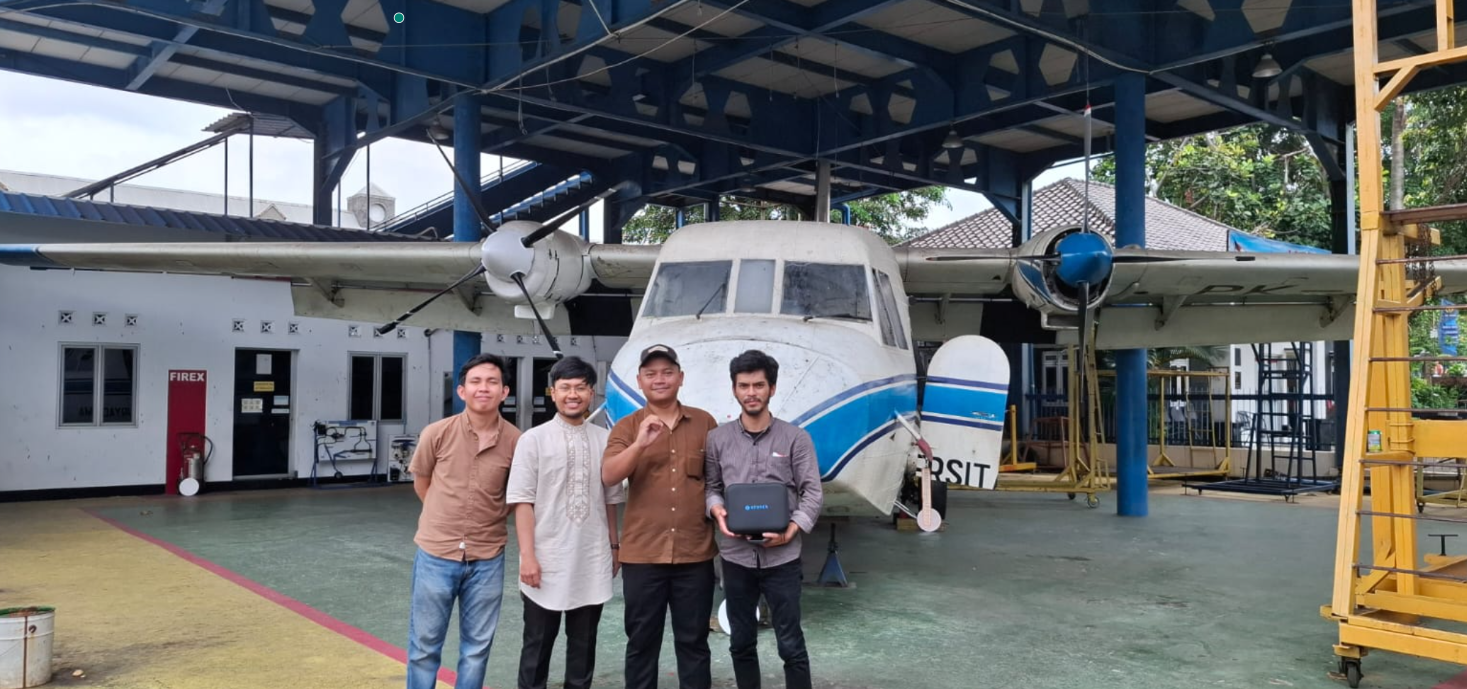
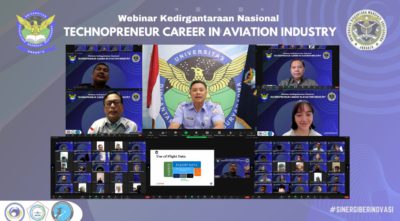
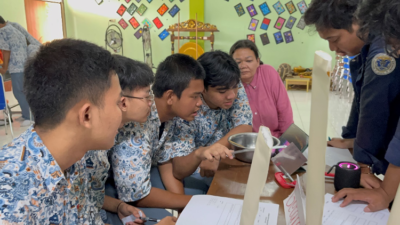
"The faculty is one of the few in the industry that provides higher education in the field of aerospace. It is equipped with aircraft such as the Casa 212, Falcon 20, and Marchetti, which serve as learning media. In addition, it features high-specification computer laboratories, 3D printers, a wind tunnel, various industrial workshops, and language laboratories. The curriculum supports the Independent Learning–Independent Campus (MBKM) program and is delivered by competent industry practitioners and professional lecturers, offering students a wide range of learning options. Competency certifications add value to the quality of graduates, making them highly qualified and job-ready, including certifications such as AMTO, TOEIC/TOEFL, NDT, and others."
Prospek Karir
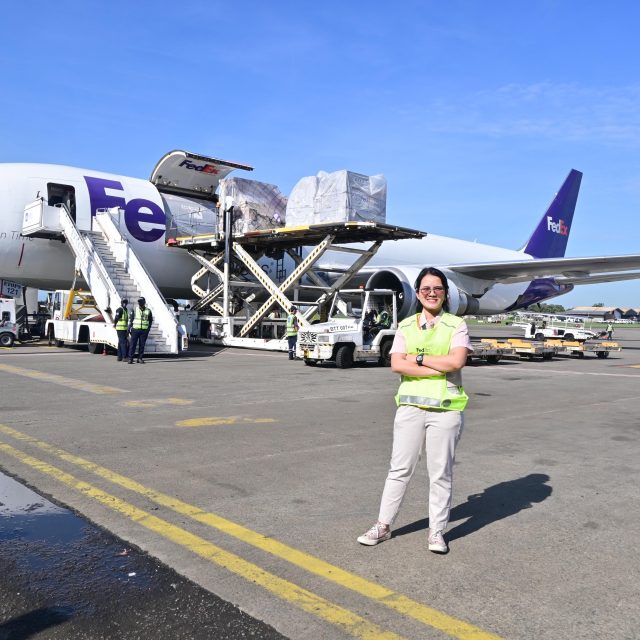
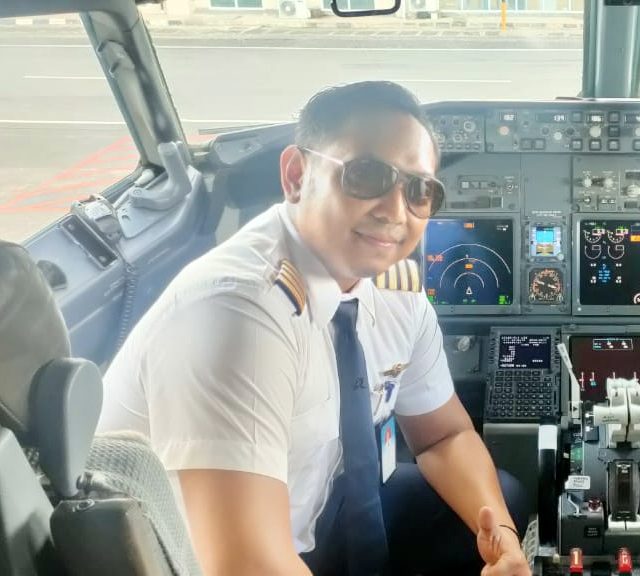
"Graduates are ready to work in the aviation maintenance and operations industry, manufacturing, automotive, energy, and digital technology sectors. Career opportunities include certified aircraft technicians, aircraft engineers, logistics specialists, industrial controllers, and electrical systems experts. Opportunities are available in airlines, MRO (Maintenance, Repair, and Overhaul) companies, factories, and national as well as international research institutions. In addition to being ready to enter the industry, bachelor’s degree graduates can also continue their studies in related fields."
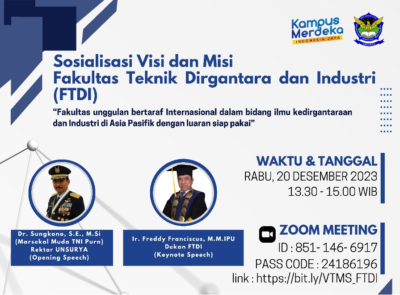
Menjadi Center of Excellence dalam pendidikan tinggi kedirgantaraan dan rumpun ilmu terkait yang dikembangkan di tingkat nasional maupun internasional dengan luaran siap pakai di dunia kerja.
Menyelenggarakan pendidikan tinggi yang unggul di bidang kedirgantaraan dan rumpun ilmu terkait dengan luaran yang mandiri, berkarakter, profesional dan siap pakai di dunia kerja.
Menyelenggarakan peran Perguruan Tinggi sebagai agen perubahan di bidang teknologi kedirgantaraan dan rumpun ilmu terkait.
Menyelenggarakan tata kelola dan tata pamong pendidikan tinggi yang unggul, berkeadilan, serta berkelanjutan.
Menghasilkan lulusan yang berkemampuan akademik, berjiwa entrepreneur, profesional, mandiri, beretos kerja, disiplin, berbudi pekerti luhur, berwawasan teknologi mutakhir sehingga mampu bersaing, unggul, di tingkat nasional dan internasional;
Menghasilkan karya-karya inovasi teknologi, seni, sosial, budaya yang mampu membangun ekonomi bangsa, membangun kemandirian, berdasar nilai luhur budaya yang bermanfaat serta unggul di tingkat nasional maupun internasional;
Mewujudkan lingkungan pendidikan tinggi yang ramah, berdaya saing unggul, berteknologi tinggi sehingga mampu mengembangkan potensi setiap insan civitas academica; dan
Mewujudkan tata kelola perguruan tinggi yang akuntabel, tepat guna, efisien, mutakhir, dan terintegrasi sehingga mampu bersaing di tingkat nasional dan internasional.
Terwujudnya program studi kedirgantaraan dan ilmu terkait berstandar internasional serta berbasis kebijakan “Kampus Merdeka”
Terwujudnya proses pembelajaran Kampus Merdeka yang inovatif dan aplikatif dengan mengimplementasikan teknologi mutakhir
Terwujudnya mahasiswa dan alumni yang berkarakter, mandiri, professional dan berdaya saing
Meningkatnya kualitas serapan produk hasil penelitian dan pengabdian berbasis kekhasan ke dalam dunia industri dan kelompok masyarakat
Terwujudnya kerjasama yang ditindaklanjuti dengan kegiatan pengembangan inovasi ekonomi dan sosial budaya
Terwujudnya pengelolaan institusi berbasis perencanaan terintegrasi
Terwujudnya kemampuan civitas academica yang mandiri (independent), memiliki otonomi (autonomous) dan mampu mengarahkan dirinya (self-directed)
Tersedianya infrastruktur, sarana dan prasarana, serta layanan kerumahtanggaan aktivitas pendidikan, penelitian, dan pengabdian masyarakat yang mendukung keberlanjutan pengelolaan dan lingkungan UNSURYA
Tersedianya sistem informasi yang berkualitas dan terintegrasi antara pendidikan, keuangan, pengelolaan aset, dan kinerja
Terwujudnya sistem pengelolaan keuangan yang terintegrasi dan menjamin transparansi dan akuntabilitas serta meningkatnya pengelolaan dana abadi.